- MN ABE Connect
- Archive
- Classes for Stroke and Brain Injury Survivors
 April 20, 2026
Classes for Stroke and Brain Injury Survivors
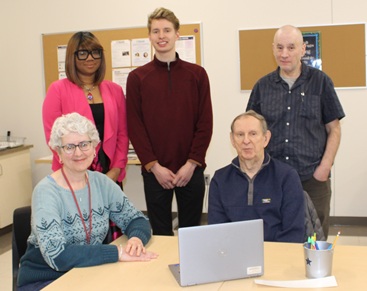
In the 1980s, teachers from the Robbinsdale Adult Academic Program began teaching classes at the Courage Center, now Courage Kenny Rehabilitation Institute, in Golden Valley. The program, known as the Adult Academic Disability Program, served residents and community members with a variety of disabilities. Over time, the program focused on serving students with strokes and brain injuries, relocated to the Robbinsdale Adult Academic Program site, and changed its name to the Classes for Stroke and Brain Injury Survivors.
 A person with a stroke or a brain injury can seem fine on the outside, but in reality can be dealing with a life-altering injury. Individuals might have aphasia, a language disorder that changes a person’s ability to speak, read, write, or use numbers. (Aphasia does not affect intelligence.) Or they might have changes in memory, fatigue, reasoning, or emotional regulation. People can be thankful to be alive, yet struggle with their new reality and the lack of awareness in the wider community.
The mission of the Classes for Stroke and Brain Injury Survivors is to help adults relearn basic academic skills such as reading, vocabulary, writing, math, and computer skills that were lost due to their injuries. We assist students with personal goals such as improving reading, as well as students hoping to earn their GED or return to work. At a more fundamental level, we hope to create a community where individuals can be with others who understand their challenges, where people can engage with ideas and continue to move forward over time, and where people can find friendship and camaraderie.
There are four requirements for entry into the Classes for Stroke and Brain Injury Survivors:
- The student is an adult survivor of a documented stroke or brain injury.
- The injury occurred when the student was an adult and is the primary barrier to learning.
- The student was able to read before the injury.
- The student has a functional level that is high enough to allow the student to work independently and participate in class activities.
Here are some student perspectives on the classes:
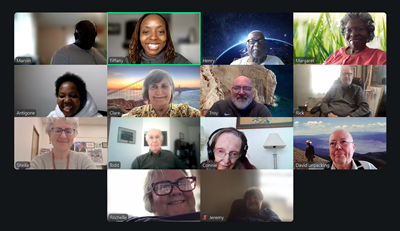 “The class and teachers accept where you are at when we practice math and reading. They are reassuring and encouraging and use a lot of different resources for us to practice academic skills.” -C.
“I love the interactions between the students, teachers, and volunteers. I’m always learning.” -D.
“Before coming to this class, I didn’t even try to read. I would get so frustrated, and I couldn’t even pronounce the words. Now I can understand what I am reading. Some stuff is coming back to me since I have been in this class.” -H.
“My husband continues to make improvements in reading, math and speech. We are extremely thankful for this program.” -K.
“Talking to others who share the same challenges is helpful. Having conservations keeps us connected.” -P.