Recent Newsletter Articles
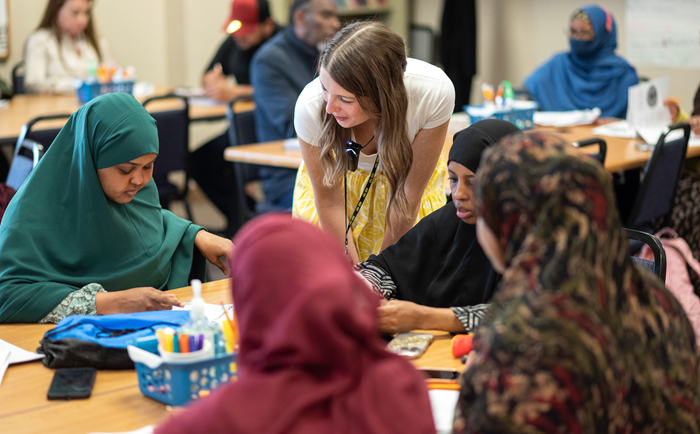
The Brand-New CILIA-T Curriculum is Now Available!
As a preview of our session at the upcoming Statewide Virtual Conference (April 17), learn more about the newly published, FREE e-textbook for CILIA-T, a curriculum for adult learners integrating U.S. history, civics, government, academic English and digital skills. Read More
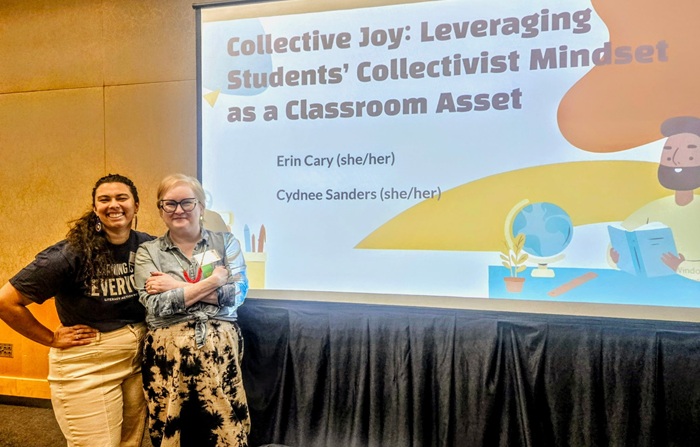
Collective Joy: Leveraging Students’ Collectivist Mindset as a Classroom Asset
Collective joy is more than a feel-good classroom moment—it’s a powerful instructional asset rooted in many learners’ collectivist cultural strengths. This article explores how Adult Education teachers can intentionally cultivate shared responsibility, connection, and identity as part of everyday instruction. Read More

Assessment Updates – Spring 2026
There are now more options than ever to test your students and access the results in CASAS TOPSpro. Check out the next Support Staff Coffee Break – “CASAS Reports – but wait. . .there’s more!” Also, explore the new Minnesota Remote Assessment Hub with expanded access to reach more students! Read More

Short on CEUs? We’ve Got You Covered.
It’s that time of year again! If you’re working toward teaching license renewal and need CEUs, there are several options designed specifically for adult educators. Whether you prefer live events, recorded sessions, or self-paced courses, there are flexible options that allow you to earn CEUs while engaging in meaningful professional learning relevant to your teaching context. Read More
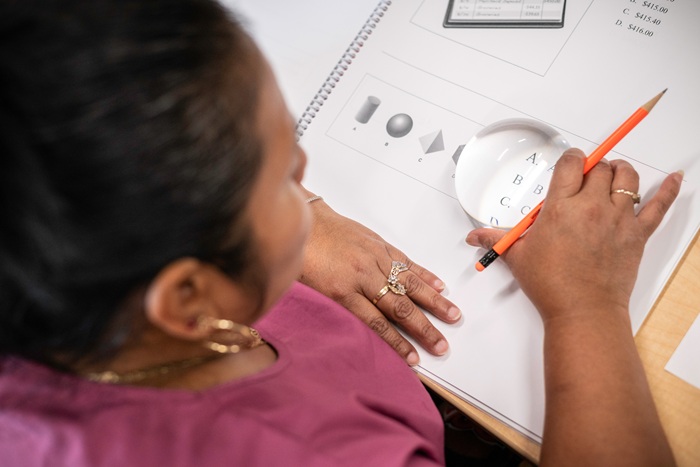
Minneapolis South Campus Supports Students Who Are Blind or Have Low Vision
Minnesota ABE supports three metro-area sites that serve individuals with specific disabilities: ThinkSelf for students who are deaf or hard of hearing, Minneapolis South Campus for students who are blind or have low vision, and Robbinsdale Adult Academic Program for students with strokes or brain injuries. In this issue, read on to learn more about Minneapolis South Campus. Read More

How to Help Our Students Navigate Legal Questions
As ESL educators, we often get questions from students about legal issues, and more specifically about their legal status in the US. How do we respond? And how we make sure our students get the best help and information possible? Read More