MN ABE Connect Archive
Recent Newsletter Articles
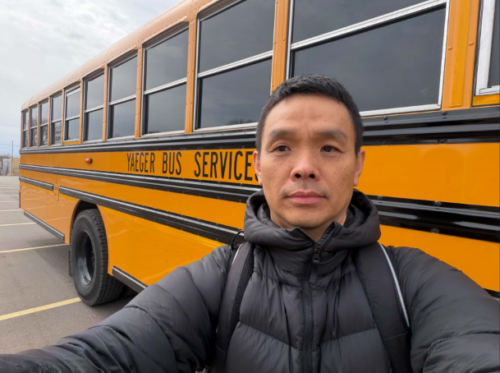
From Experience to Opportunity: An Internationally Trained Professional’s Journey Through Recredentialing Pathways
Moving to the United States, I had to learn a new education and professional system and find ways to connect my international education and experience to new opportunities. Through Recredentialing Pathways, I have learned that I am not starting over, but building on the knowledge, skills, and experience I developed throughout my career. Read More
Register Now for the 2026 Support Services Conference
Join us for this free event over Zoom Thursday, November 12 & Friday, November 13 REGISTRATION NOW OPEN! Read More
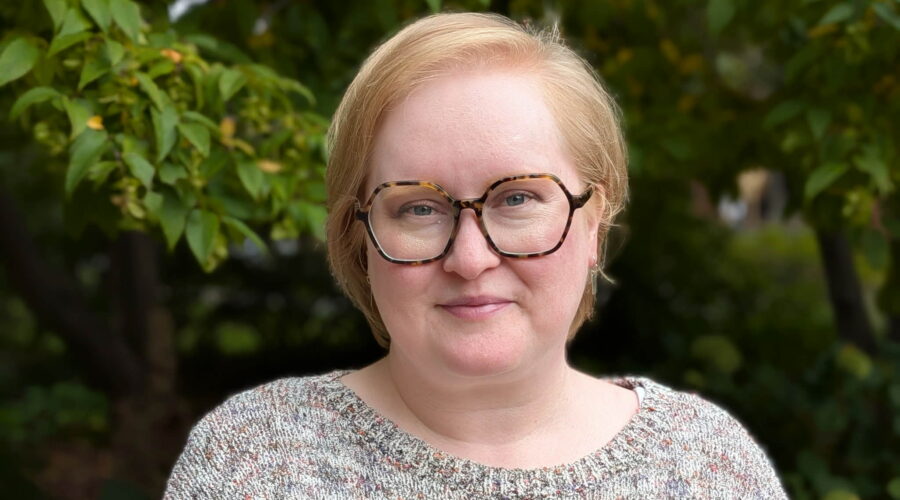
Introducing ATLAS Operations and Content Integration Coordinator Erin Cary!
Meet the latest addition to the ATLAS team: Erin Cary! Erin began in September as the ATLAS Operations & Content Integration Coordinator. Read on to learn more about our outstanding colleague! Read More

Best Practices in Digital Learning Cohort: Application Now Open!
Applications are now being accepted for the Best Practices in Digital Learning Cohort! The purpose of this PD initiative is to build the capacity of MN Adult Ed staff, programs, and consortia to offer quality digital education programming and distance learning opportunities for their learners based on established best practices. Read More
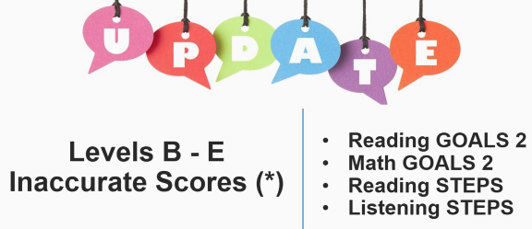
CASAS Levels B-E Inaccurate Scoring Update
CASAS responded to concerns from the field regarding the number of testers that scored in the low invalid range on tests, resulting in a high number of learners needing to retest. Read More

The Minnesota ABE Remote Assessment Hub
Are you hoping to increase your measurable skill gains with your online students? The Minnesota ABE Remote Assessment Hub might be the answer! Read More
Back to School – Assessment Training for New Staff
It's back to school time! Do you have new staff that need to complete the required CASAS Implementation or TABE Implementation trainings? Check out the trainings being planned for this fall! Read More

Updates to Distance Learning Basics and Northstar Foundations Courses
Your Statewide Digital & Distance Learning Team has been hard at work this summer, updating our two core PD courses in Canvas. Keep reading for a sneak peek! Read More

Call for Stories of Resistance and Community in MN Adult Education
As we process our experiences of Operation Metro Surge and what it meant for our communities, we want to create a space for people to share their stories. Telling stories is an important way to document history and can be helpful in processing our experiences. Stories submitted to this collection do not have to be about Operation Metro Surge, they can be about any example of resistance or community. Click on the article for more specifics of what we’re looking for and how to submit! Open to anyone associated with adult ed! Read More
Accessible Distance Learning for Beginning English Learners
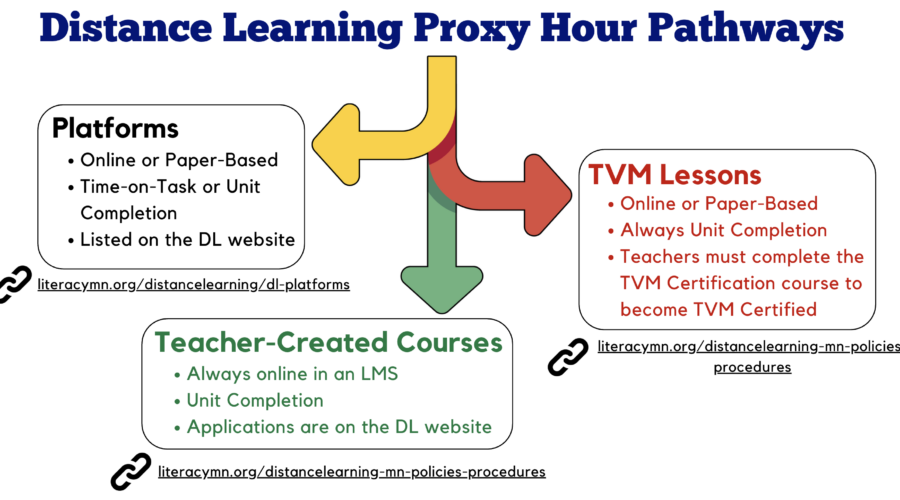
Think distance learning is too much for beginning-level English learners? Think again! Learn about some accessible options for extending learning beyond class time. Read More