- MN ABE Connect
- Archive
- The Human Library Experience at LESLLA 2025: Centering Learner Voices Through Identity Texts
 December 22, 2025
The Human Library Experience at LESLLA 2025: Centering Learner Voices Through Identity Texts
Multimodal Identity Texts as Literacy Tools
The heart of the Human Library rests on the concept of identity texts—learners’ stories written for a real audience. As learners created their texts, they engaged in meaningful literacy work:
- Reading model texts
- Drafting and revising
- Practicing oral storytelling
- Using digital tools to incorporate photos, drawings, and layout decisions
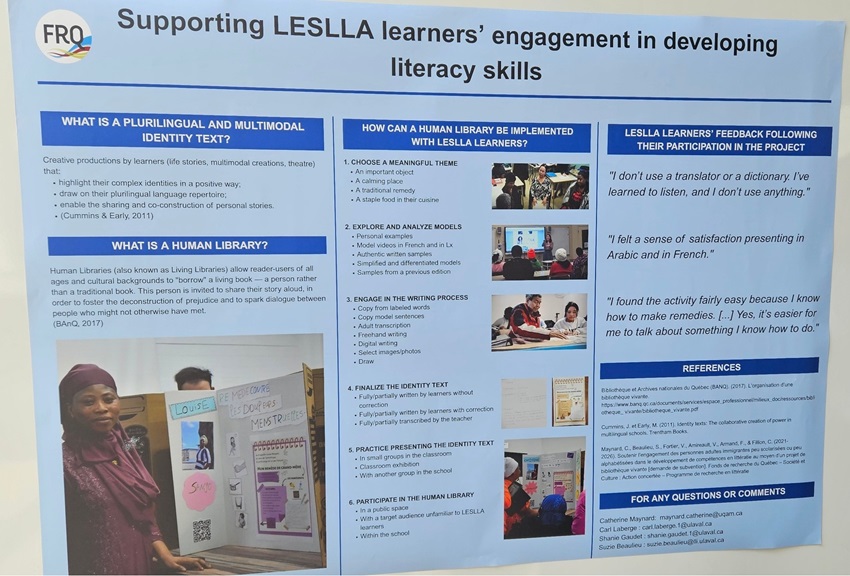
Identity texts offer a powerful way to connect literacy development with learners’ lived experiences. By writing about meaningful themes—such as an important object, a traditional remedy, a calming place, or a staple food—learners step into positions of expertise. During the Human Library itself, the presentation format created multiple opportunities for learners to practice dialogue, respond to audience questions, and share their knowledge with confidence.
Why This Experience Matters
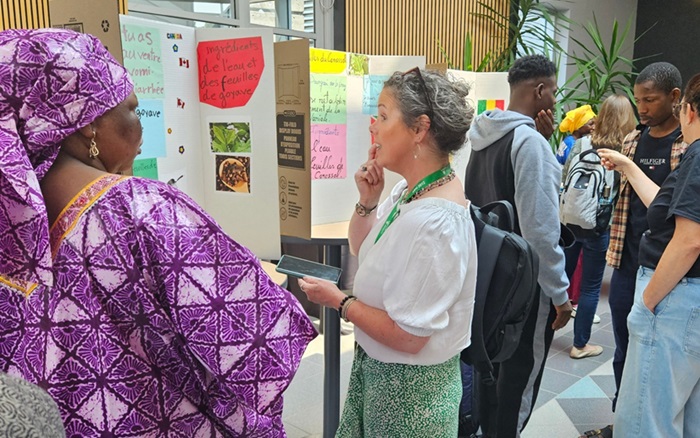
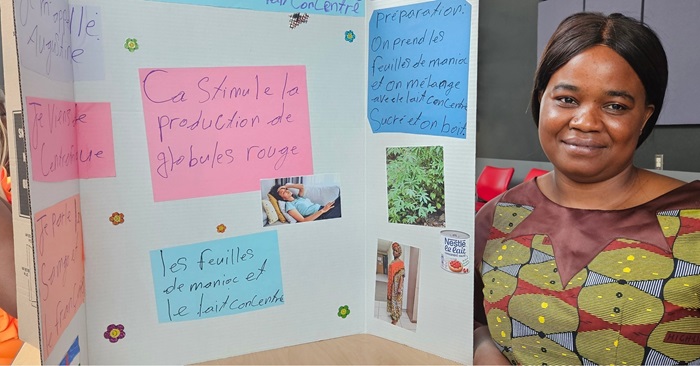 The session resulted in a lively, intercultural encounter. Educators and researchers didn’t just listen—they interacted, learned new remedies, and built relationships through conversation. For learners, the Human Library transformed language practice into a moment of authorship, pride, and agency.
As LESLLA practitioners, the Human Library prompts us to reflect:
- How might we adapt this model in our own programs?
Could we create small-scale Human Libraries within classes? During open houses? At community events? - How can we elevate more student voices at conferences?
The presence of learners presenting their work shifted the tone of the conference in a profound way. Their contributions were central, not supplementary.
Bringing the Human Library Home
For programs interested in trying something similar, consider:
- Choosing a theme rooted in learners’ expertise
- Providing structured writing time supported with model texts
- Incorporating translanguaging, allowing learners to draw on all of their languages
- Preparing students through repeated opportunities to rehearse their presentation
- Inviting an authentic audience—another class, community partners, volunteers
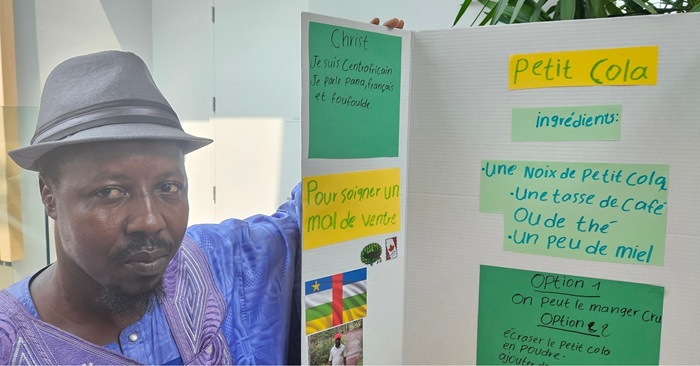 The Human Library at LESLLA 2025 demonstrated what is possible when learners are celebrated as knowledge holders. It was a joyful reminder that literacy is not simply a set of skills but also a practice of storytelling, identity, and connection.
If you would like support brainstorming or planning a Human Library-inspired project for your own setting, the ATLAS team would be happy to help. Please contact Katrina Benson, ATLAS ESL library curator, at [email protected] to begin planning.
« Soutenir l’engagement des personnes adultes immigrantes peu scolarisées ou peu alphabétisées dans le développement de compétences en littératie au moyen d’un projet de bibliothèque vivante », Subvention FRQ-SC — Programme de recherche en littératie (2021–2026).
“Supporting the engagement of adult immigrants with low education or low literacy skills in developing literacy skills through a living library project”, FRQ-SC Grant — Literacy Research Program (2021–2026).