
- MN ABE Connect
- Archive
- Helping Others, Building Careers: The Personal Care Assistant Pathway
 June 7, 2026
Helping Others, Building Careers: The Personal Care Assistant Pathway
For adult learners interested in healthcare careers, personal care assistant (PCA) / community first services and support (CFSS) training offer a fast and meaningful pathway to employment while developing valuable skills that can lead to future career opportunities. According to the Minnesota CareerForce, personal care assistants (aides) are currently in high demand and will continue to be for years to come.
What is a Personal Care Assistant?
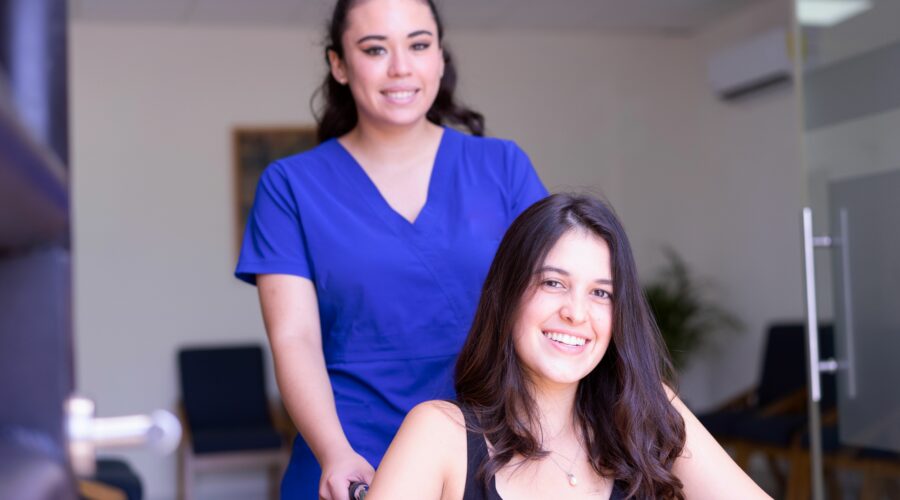
Personal care assistants provide support to individuals who need help with daily living activities due to age, disability, illness, or other health conditions. PCAs help people remain independent in their homes and communities while improving their quality of life. Depending on a client’s needs, duties may include assisting with dressing, grooming, toileting, meal preparation, mobility, and other daily tasks.
Why PCA Training Works Well for Adult Learners
 For many adult learners, PCA work offers an accessible entry point into the healthcare field. Unlike some healthcare careers that require extensive training before employment, students can begin working relatively quickly after completing PCA training. The role also provides valuable hands-on experience for those interested in pursuing careers such as certified nursing assistant (CNA), nursing, home health care, or other healthcare professions.
PCA work can be very flexible depending on a student’s needs. There are full-time and part-time positions available as well as a variety of shifts depending on what time of day works best for their schedule. For some students, PCA work becomes a long-term career. For others, it serves as a stepping stone to higher-paying healthcare careers that require additional training and education. It can also be a great way to earn extra income while gaining valuable healthcare experience.
Student Spotlight: Paola’s Journey to Becoming a PCA
One recent graduate of the PCA program is Paola, whose story demonstrates how PCA training can help adult learners overcome barriers and launch a healthcare career.
For Paola, becoming a PCA was about more than finding a job. It was an opportunity to help others while building a meaningful career. “I decided to become a PCA because I truly enjoy working with people and helping those who need support the most,” she explains. “Being a caregiver allows me to make a positive difference in someone’s daily life by providing comfort, companionship, and assistance with their needs.”
Although Paola has an intermediate-advanced level of English, she was worried it wouldn’t be enough. “I was afraid of not being able to fully understand assignments or requests from clients,” she says. “I was also worried that clients could become upset or impatient with me.” Thankfully, that has not been her experience as a PCA so far. Paola found that the people she works with are understanding and supportive. Through experience, she has gained confidence in her ability to communicate, problem-solve, and provide quality care.
She credits the PCA course with helping prepare her for the role. “When I first started the class, I was new to the caregiving field and had very little knowledge about the responsibilities of a PCA,” she says. “By the end of the course, I felt confident, prepared to take the PCA state test, and excited to become a certified PCA.”
While there are many things Paola enjoys about her new role, she says the people are what she likes the most. “What I enjoy most about working as a PCA is the opportunity to connect with people from different backgrounds and build meaningful relationships with them,” she explains. “Every client has unique experiences, needs, and personalities that make each day different and rewarding.”
For Paola, the most rewarding part of the profession is knowing that her work helps others maintain their wellbeing and independence. “At the end of the day, it is a very fulfilling career because I know that my work can make a positive difference in someone’s life.”
When asked if she had any advice for future students, she said, “I would encourage others to challenge themselves, believe in their abilities, and begin this rewarding journey as a PCA with confidence and determination.” She also reminds future caregivers that learning takes time and that every experience is an opportunity to grow.
Why the PCA Pathway Matters for Adult Learners
Paola’s story serves as a reminder of why PCA training can be a great option for adult English language learners. The training can be completed relatively quickly and helps prepare students for employment in a high-demand field. It can also serve as a stepping stone for students interested in pursuing additional healthcare education and careers.
In addition to building healthcare knowledge, students develop communication, professionalism, and caregiving skills that transfer to many other occupations. The flexibility of PCA work can also make it an excellent option for adult learners balancing family, work, school, and other responsibilities. Perhaps most importantly, PCA work gives students the opportunity to make a meaningful difference in the lives of others while building a rewarding career. Paola says it best, “Being a PCA is not only an opportunity to build professional skills, but also a chance to make a meaningful difference in the lives of others.”
Learn more about the PCA/CFSS credential on the ATLAS website.