Archive
Recent Newsletter Articles
High-Frequency Word Lists and Links
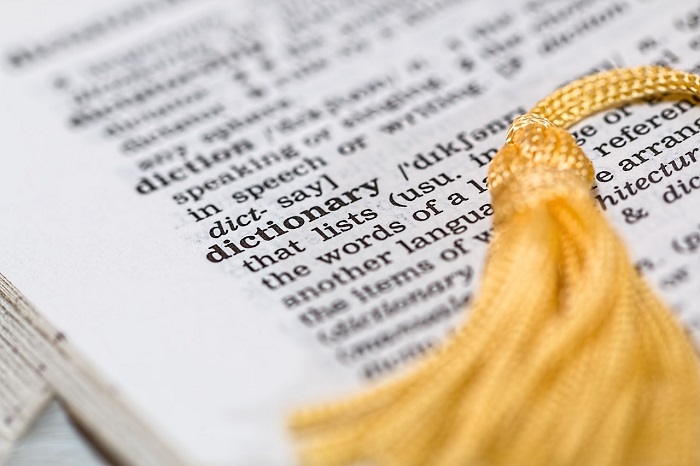
Wondering which English words might be most beneficial for your students to learn? Here are five lists of high-frequency words from written or spoken English. Read More

CCRS Teacher Workouts – Back for More!
CCRS ELA and Math Teacher workouts are focused, fast, and help teachers move forward with CCRS implementation. Use them in a staff meeting, with a colleague, or independently. Each workout takes just 20-45 minutes and focuses on a key CCRS shift, standard, or practice. Check out the latest workouts! Read More
The Minnesota Literacy Council Has Become Literacy Minnesota
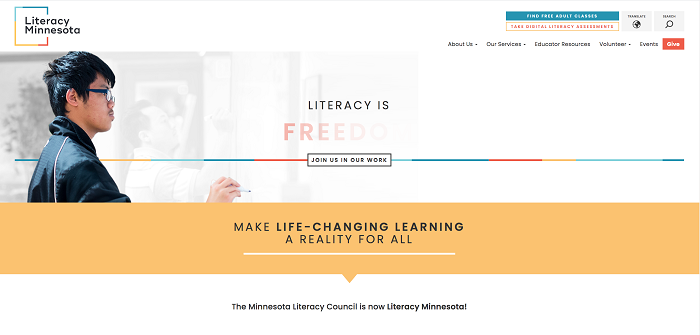
Now, as in the past, our mission is to share the power of learning through education, community building and advocacy. We hope our updated name, brand and web presence reflect the ways our work in the literacy field has shifted and multiplied. Read More

Making Thinking Visible in Math and ELA Instruction: Part 3 – It’s All about the Questions
Reading, doing math, and learning are often silent, individual activities. They are internal, making it hard for us to know how students are tackling complex questions and making sense of course material. In the third article of this series, we take a look at the power of questions in making student thinking visible in the classroom. Read More
CCRS in a Literacy Level Classroom? We’ve got you covered!
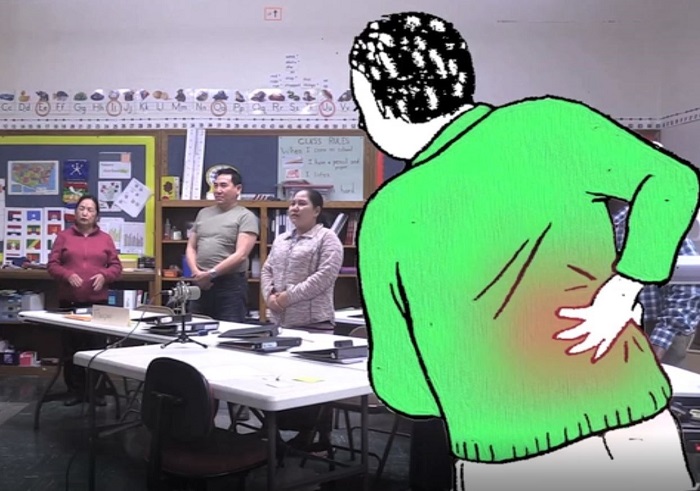
For any teacher who has thought, “My learners are too low-level to introduce CCRS,” this is the video that you’ve been waiting for! In the fourth video of the "CCRS in the ABE Classroom" series, watch how Barb Murphy of Literacy Minnesota enthusiastically integrates CCRS teaching standards into her literacy level ESL class. Read More

Service Sector Workers – Skilling Up for Success
Many of our ABE learners currently work in or plan to enter the service sector, where foundational math, literacy and technology skills are essential for surviving and advancing in their careers. Check out the ATLAS online resource library for excellent resources to guide the “skilling up” learners need for work in health care, customer service, food service, or the hotel industry. Read More

Suicide Prevention for Adult Educators
Suicide is the 9th leading cause of all deaths in Minnesota. Preventing suicide is an important skill to develop. Are you aware of a free online course titled, “Suicide Prevention for Adult Educators”? This training is intended to address the re-licensure area of Suicide Prevention Best Practices and offers 1.5 CEUs. Read More

The Magic and the Mountains of Adult Career Pathways Curriculum Design
You may be interested in developing an Adult Career Pathways course, but not know where you should start and where you can find the resources you need. The good news is that there are great resources at your fingertips and guidance for each step of the journey up this course design "mountain." I’ll share my own experience with you, what I learned, and some tips to design an ACP course that will serve your students well. Read More
Making Thinking Visible in Math and ELA Instruction: Part 2
Reading, doing math, and learning are often silent, individual activities. They are internal, making it hard for us to know how students are tackling complex questions and making sense of course material. In the second article of this series, we take a look at a strategy to make student thinking in the ELA and/or math classroom. Read More
Making Thinking Visible in Math and ELA Instruction: Part 1
Reading, doing math, and learning are often silent, individual activities. They are internal, making it hard for us to know how students are tackling complex questions and making sense of course material. This article is the first of two to explore how to make students' thinking visible for stronger learner-centered instruction. Read More