Reading
Recent Newsletter Articles

A Decade of STAR in Minnesota… Calls for a Celebration!
Calling all Minnesota STARs! Join us for a free All-STAR Institute on Friday, June 1, 8:00 AM - 3:30 PM, to celebrate 10 years of STAR in Minnesota! We'll also address common STAR challenges and CCRS questions in several great breakout sessions. Read More

FREE TEXT FREE TEXT FREE TEXT: Part 1
Looking for some great sources for free text when planning CCRS-aligned English language arts lessons? There are some great online sources available for FREE! Read More
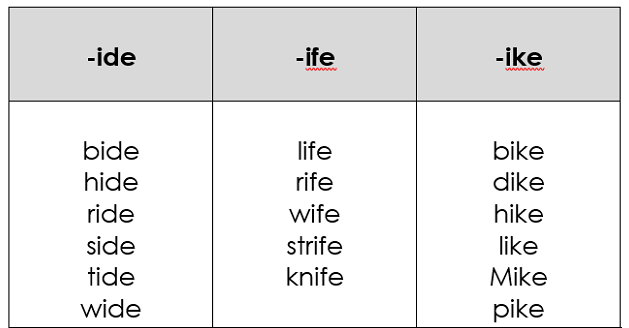
MN ABE/ESL Teachers Find Success with Teaching Analogy Phonics
Teaching Analogy Phonics (TAP) provides ABE/ESL teachers with resources for teaching phonograms and word families. Read on to find out how two Beginning ESL teachers recently used TAP with great success! Read More
More about Morpheme Matrices: Lessons for Longer Word Assembly
Teaching morphemes makes a difference! Knowing more of the common or high-frequency morphemes used in English can improve accurate word reading, word spelling, and word recognition. In turn, these word skills can benefit the text skills of reading fluency and reading comprehension. Read More

Introducing the New Academic Word List
Do you need some guidance on WHAT academic vocabulary words to teach? Are you ready to freshen up your current academic vocabulary instruction with some new high-frequency words? Read on for news on both fronts! Read More
Revisited: Where in the CCRS World are Alphabetics and Fluency?
Several instructors have been wondering if the College & Career Readiness Standards (CCRS) address beginning literacy skills. Over the past two years of getting to know the CCRS, my answers have included yes, no, and yes! Read More
New Marshall Adult Literacy Online English Language Tool: Feedback Requested!
Your ABE expertise is needed to help test out a new Minnesota home-grown English Language online distance learning tool! Read More
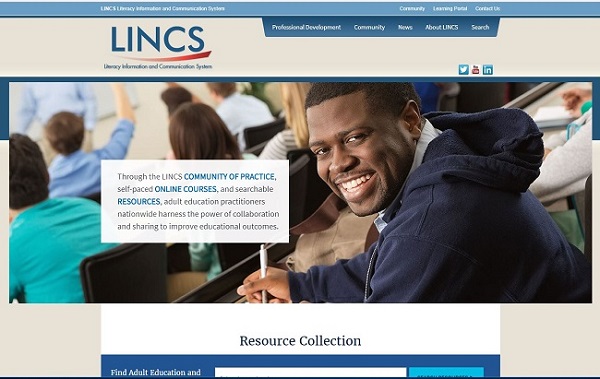
Learn about LINCS!
The Literacy Information and Communication System (LINCS) offers freely available courses, resources, and community for adult educators. Check out this powerful resource! Read More
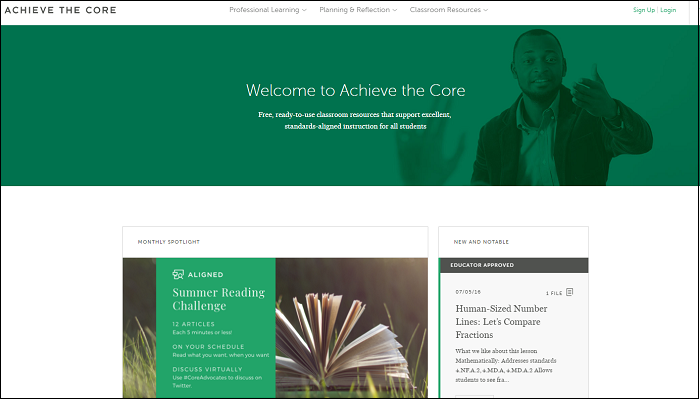
Getting Started, Moving Forward, Part 3: More from Achieve the Core!
Get more from Achieve the Core, a comprehensive website that offers “free, ready-to-use classroom resources designed to help educators understand and implement college and career ready standards.” Read More
Close Reading and the CCR Standards Part II: Measuring Text Complexity
Complex text doesn't simply mean a higher reading level, a poem, textbook selection or technical manual. Text complexity is made up of a combination of factors including quantitative measures, qualitative measures and reader and task considerations. Read More